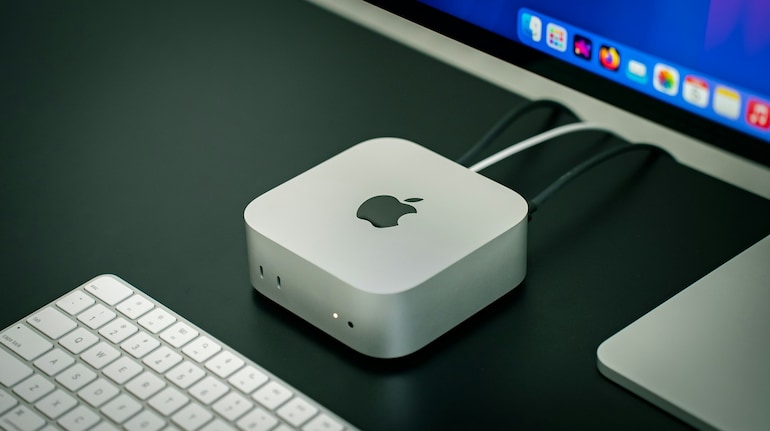

As Indian SaaS startups move deeper into AI-heavy product development, decisions that once sat quietly with IT teams are becoming leadership-level calls. For companies building global products, developer hardware is no longer just about cost or familiarity. It is increasingly about reliability, memory headroom and how easily teams can experiment with AI models.
That shift is visible at companies like Signeasy and Atomicwork, both of which have moved to a largely Mac-first setup.
Memory, local AI testing and the changing shape of development
For Sunil Patro, founder and CEO, Signeasy, the decision was driven by how modern development environments have changed. “Earlier, you could get away with lighter machines and push everything to the cloud,” he says. “Today, between containers, large codebases and local AI testing, memory becomes the real bottleneck.”
Patro notes that many of Signeasy’s developers now use machines with 64 GB or more RAM. “We would rather give someone one powerful system than ask them to juggle multiple machines or remote environments,” he explains. The macOS ecosystem, he adds, integrates cleanly with the Python-heavy tooling the company relies on, while still fitting into enterprise security workflows.
At Atomicwork, the motivation was as much about reducing friction as improving raw performance. Vijay Rayapati, co-founder and CEO, says mixed hardware environments often slow teams down in subtle ways. “When something breaks, it’s never clear whether it’s the OS, the hardware vendor or an IT policy issue,” he says. “That uncertainty costs time.”
Since moving to a Mac-first approach, Rayapati estimates that around 95 percent of active developer usage at Atomicwork is now on Macs, with Windows machines retained mainly for testing and QA. “We still need Windows for certain workflows,” he says, “but for day-to-day development, macOS has been more predictable.”
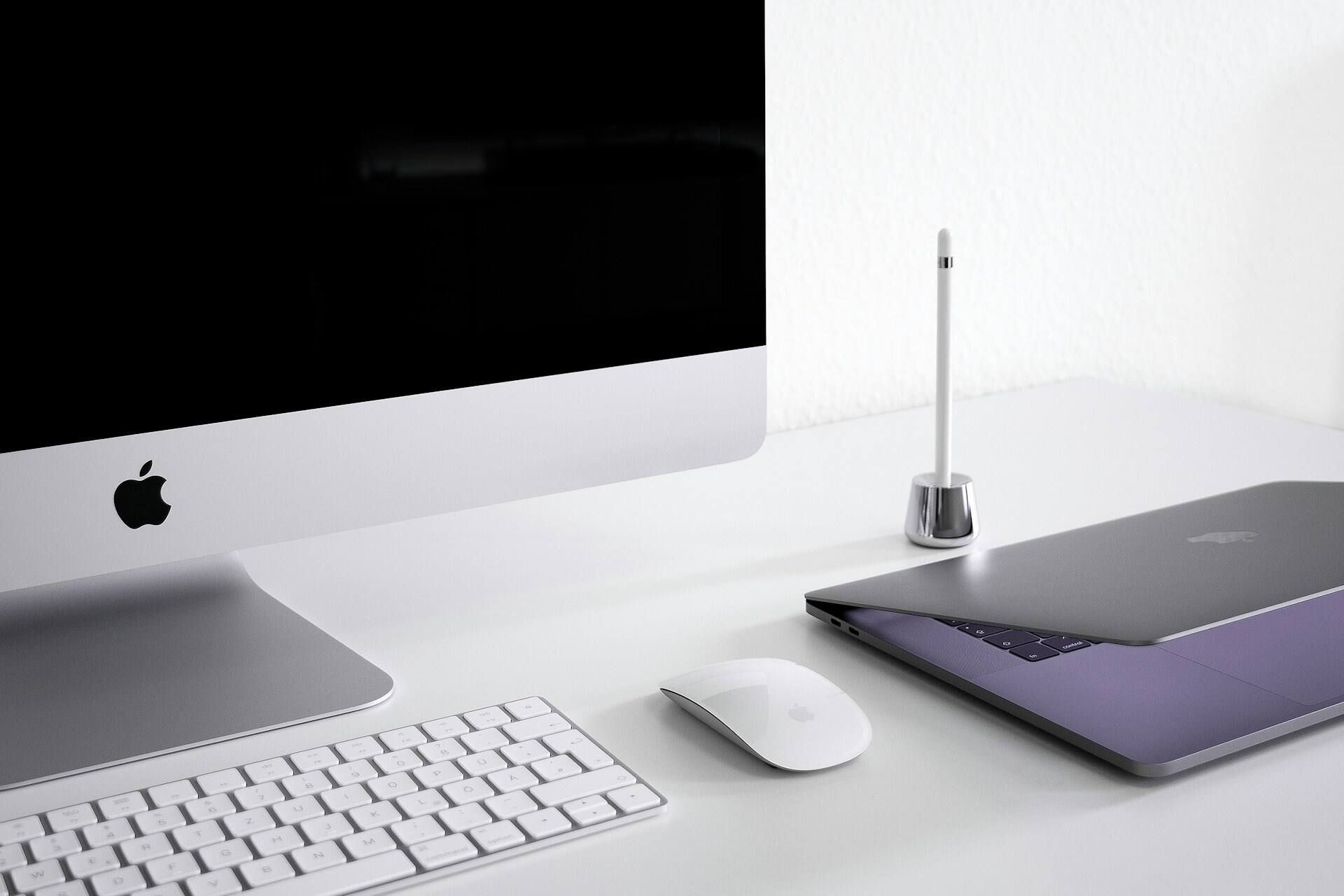 Apple
Apple
Productivity trade-offs, costs and standardisation
AI experimentation has been another factor. While neither founder claims Macs replace cloud infrastructure, both see value in local testing. “For smaller models, being able to run things locally changes how fast teams can iterate,” Rayapati says. “You don’t need to spin up cloud resources just to test an idea.”
That local capability has become more relevant as startups handle sensitive enterprise data. “There are cases where you simply don’t want data leaving a controlled environment,” Patro says. “Local experimentation gives you that flexibility.”
Apple Silicon has reinforced that trend. Compared to older Intel-based systems, both founders point to faster compile times, quieter thermals and better support for running local AI workloads. Still, neither describes the transition as painless or universally applicable.
Cost remains a real consideration, especially in India’s price-sensitive market. Rayapati acknowledges the higher upfront expense but frames it in terms of long-term trade-offs. “If an engineer loses even a day or two a year due to system issues, that productivity loss quickly outweighs hardware savings,” he says. AppleCare and tighter hardware-software integration, in his view, have reduced those disruptions.
Device management has also improved. Atomicwork uses Apple Business Manager alongside third-party tools to handle provisioning, security updates and remote wipes. “From onboarding to offboarding, the process is cleaner when the hardware baseline is standardised,” Rayapati says.
Importantly, neither founder presents Macs as a universal answer. Windows systems still play a role, particularly for testing and compatibility. But as AI workloads become heavier and developer time more valuable, the balance appears to be shifting.
The move to Mac-first is less about brand preference and more about adapting infrastructure to the realities of modern, AI-driven software development.


Discover the latest Business News, Sensex, and Nifty updates. Obtain Personal Finance insights, tax queries, and expert opinions on Moneycontrol or download the Moneycontrol App to stay updated!





Find the best of Al News in one place, specially curated for you every weekend.
Stay on top of the latest tech trends and biggest startup news.